Industrial Robots vs Cobots: What’s the Difference and Which One Should You Choose?
Modern automation in Kazakhstan and worldwide is booming. More and more often, two terms are used in production — industrial robots and cobots. But what is the real difference between them, and which solution will be more effective for your factory?
What is an Industrial Robot?
Industrial robots are powerful automated machines that have been used in factories around the world for decades. Their main features include:
- high speed and productivity;
- ability to operate in heavy and hazardous environments (metallurgy, automotive, foundries);
- capability for 24/7 continuous operation;
- operation inside safety cells and protective enclosures.
Examples: at factories of KUKA, FANUC, ABB, Kawasaki, and Siasun, robots perform welding, painting, assembly, and other tasks with high precision and without interruption.
What is a Cobot?
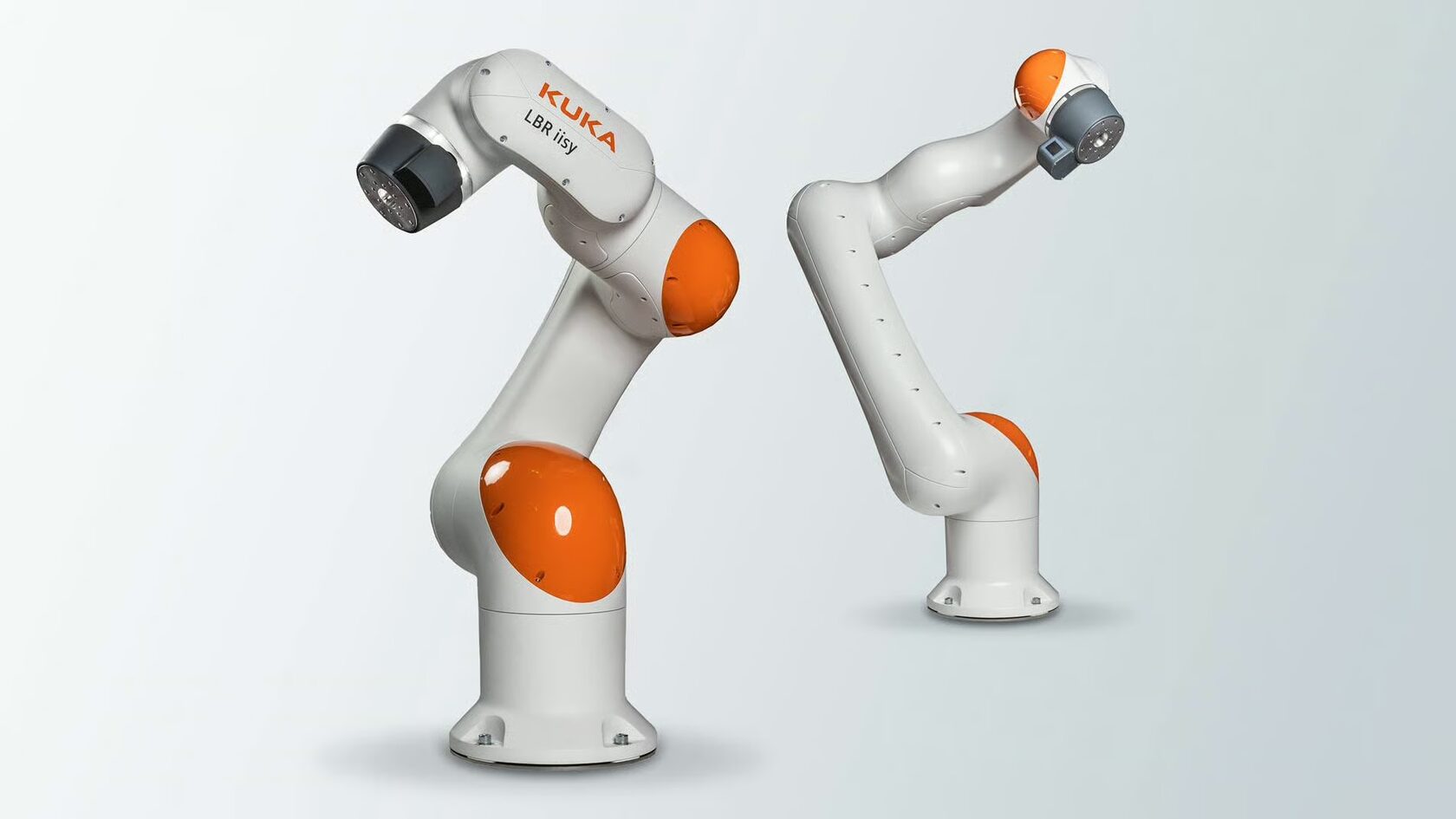
Cobots (collaborative robots) are a new generation of robotics. Their main difference is that they are designed for direct collaboration with humans. Advantages include:
- compact design and easy programming;
- built-in safety systems (sensors, speed limits, automatic stop on contact);
- fast ROI in small-batch production;
- mobility and easy integration into existing processes.
Examples: cobots are widely used for packaging, sorting, testing, electronics, and laboratory tasks.
Comparison: Industrial Robots vs Cobots
Which One is Right for Your Business?
- If you operate a large-scale facility with high production volumes (metallurgy, automotive, food manufacturing), then an industrial robot is the smarter choice.
- If your tasks require flexibility, you produce small batches, and safety plus easy deployment are priorities, then a cobot is a great option.
In Kazakhstan, demand for both solutions is growing: large enterprises in metallurgy and mining are investing in industrial robots, while small and medium businesses are turning to cobots to improve product quality and reduce costs.
Conclusion
Industrial robots and cobots are not competitors — they are two different tools for different purposes. The key is to analyze your processes and choose the technology that will deliver the highest return for your business.
Want to know which solution is right for your production? Vexor helps you select, deliver, and integrate industrial robots or cobots. Contact us for a consultation.
